RFP Response — Narrative & Creative Strategy

Ideas that travel.

A six-month strategic creative engagement with The Rithm Project — distilling two years of research and experiments into a focused set of narratives, an audience strategy, and real-world creative pilots, and building the Creative Studio engine that carries them toward 10 million.

ClientThe Rithm Project
EngagementNarrative & Creative Strategy
Prepared byJohnny Neang
Work beginsJanuary 2027
01Summary of Interest

Why this resonates.

I am a communications strategist in Sacramento, and I have spent the last two years working out, in practice, what AI is good for in creative work and what it is not. That is a narrower version of the question Rithm is asking about a whole generation. Reading this RFP felt like reading my own notes.

I am not starting cold. I have been in working conversations with Alison Lee since April 2026 about circles, events, and what it would take to bring Rithm's ideas to more people. I have read the research closely — the nine portraits, the landscape scan, the prosocial principles — and I can already see the narratives inside it.

What excites me is the shape of the ask. Rithm is not looking for a campaign. It is looking for the discipline to choose which ideas scale, the strategy to reach the people who need them, and a Creative Studio engine that keeps producing after the engagement ends. That is systems work dressed as creative work, and it is the work I do best: strategy, creative direction, and the operational design that lets a small team and a wide network make things together.

The audience matters to me too. One of my longest-running client relationships is with Community Responsive Education and the Youth Wellness Movement, where I have led youth-facing tool work since 2020. I do not need to be introduced to young people as an audience. Rithm's own fellows put it best: "Let us be the teachers for a change." I would rather treat them as authors.

I am not here to build Rithm a product. I am here to help build the engine that catalyzes a movement.

02Understanding of the Opportunity

Depth is solved.
Breadth is not.

Rithm has already done the hard part twice. It has produced original research — a nationally representative study of 2,383 young people that yielded four clusters and nine portraits, a landscape scan that names five relational arenas and ten open questions, and five principles for prosocial AI. And it has proved those ideas can land: The AI Effect has passed 10,000 players, the Sparks Toolkit has been requested more than a thousand times, and Immersive Futures lets summit participants step into 2040.

The problem is not a shortage of ideas or proof. It is that the Creative Studio, the engine built to turn insight into sticky experiences, campaigns, and tools, has been running on experiments. In two years Rithm has put at least seven framings into the world:

The four-quadrant futureVitamin or VicodinFive principlesNine portraitsFive arenasTwo wolvesThe tipping point

Each is good; together they are too many for a message to travel. The next chapter needs discipline: which of these scale, who most needs to hear them, what vehicles move people from insight to action, and how the engine keeps producing over the long haul.

The questions I think matter most.

Six months is enough only if the first three months are spent distilling and deciding rather than producing. I would front-load the synthesis, reach a narrative brief the leadership team can say yes to by mid-February and a full strategy by the end of March, then spend the rest building and testing.

03Proposed Approach

Distill. Decide.
Test. Equip.

Four phases over six months, each closing with a working session. I treat the strategy the way I would treat a product: what Rithm has built today is version 0, every round of feedback produces the next version, and nothing scales until the evidence says it should.

Phase 01

Distill

January – mid February 2027

Synthesis of the research canon, the full Substack archive, summit learning, and signals from the field, plus interviews with leadership, six to eight Changemaker Network members, and the 2026 – 27 youth fellows. Output: a living North Star document with three to five narratives, each with its evidence and audiences, pressure-tested in February with network members, at a summit if one falls in the window or at a working session.

Stage gateNarrative brief approved
Phase 02

Decide

mid February – March 2027

Audience segmentation and prioritization: who Rithm is trying to reach, why they matter, how each audience should experience the work, and where to focus first. Then an integrated creative strategy (editorial direction, storytelling, campaign concepts, channels, formats) with two pilots scoped, and a third if the strategy calls for it, production starting as each is.

Stage gateStrategy approved
Phase 03

Test

April – May 2027

Two pilots, with a third as an option, each taking an existing Rithm asset from version 0 to 0.1 for the classroom, the family, or the grassroots, with youth creators and Changemaker Network members as collaborators. Candidates: a "find your portrait" youth-creator sprint on the nine portrait cards, an AI Effect remix brief for the Network (Rithm already invites remixes), and a short practice series for parents and educators from "How to Talk to Young People About AI," run through network educators before the school year ends. Each has a learning question and a small budget.

Stage gatePilot learning memos reviewed
Phase 04

Equip

June 2027

The partnership and co-creation model: collaboration models, creator engagement, a briefing process, and a system for managing external creative partnerships. A roadmap for July 2027 onward that scales a pilot only when it passes a trigger we set together in March (my hypothesis: 5 to 10 percent of participants pass it on unprompted), then handoff of the playbook and the creator constellation.

Stage gateRoadmap and handoff

Where each of Rithm's questions gets answered.

Question from the RFPPhaseAnswered by
Which ideas are most relevant, actionable, and timely?01Narrative brief
How should we prioritize our audiences?02Audience strategy
How do we translate research into creative work?02 – 03Strategy and pilots
How might the Network become an active partner?03 – 04Co-creation model
What creative ecosystem should Rithm cultivate?04Creator constellation

How I work with the Rithm team.

  • A steering group of two Rithm leads and me meets every two weeks for 45 minutes. A shared working board holds every draft, decision, and open question between sessions.
  • The 2026 – 27 youth fellows and two or three network members sit inside the work from week one, not as reviewers at the end; the fellows stay through the end of their fellowship year in May. Lemon Battery, Rithm's design partner, joins for anything that touches gatherings or communications design.
  • Each phase closes with a working session where the team marks up the draft live. I build alongside, writing the briefs, producing the pilots, and running the sessions; Rithm brings judgment, relationships, and the final call.

How feedback and learning are built in.

People who see their feedback implemented stop being reviewers and become owners. Every round produces a numbered version, and the same people see it. The narrative brief gets three tests before gate 01: do the tools speak to these audiences, does the research, and is the Network engaging with this direction?

  • Each round the same group returns: a short survey to the full Network, and a working session with a core group of network members, fellows, and facilitators, who name three to five things that work and three to five that do not.
  • Every pilot has a written learning question, measures engagement, understanding, use, and retention, and ends with a one-page memo. A failed hypothesis is a data point, and it becomes the next version.
  • A short monthly note to leadership records decisions and changes, so the roadmap at handoff reflects what was learned.
04Relevant Experience

Three examples
that traveled.

All three were made at UpperCloud, the Sacramento studio where I am managing partner.

Example 01

Youth Wellness Index

Community Responsive Education · 2020 – present

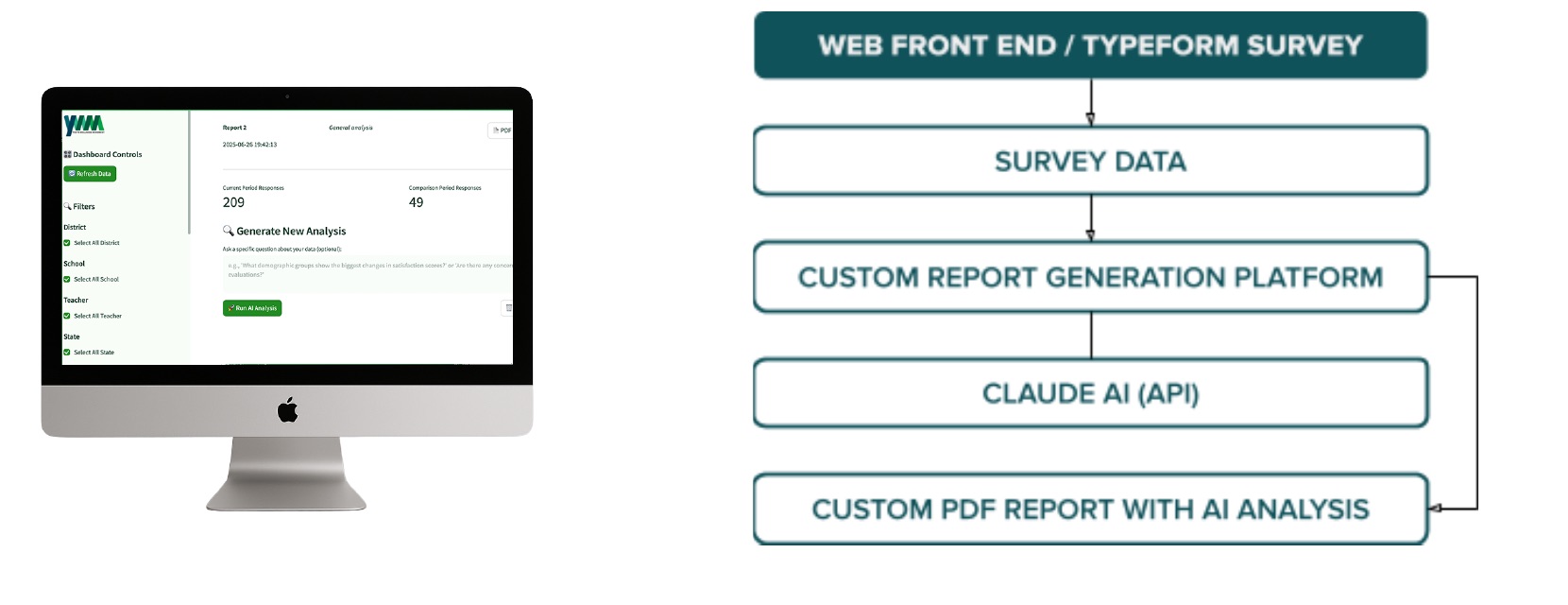
For the Youth Wellness Movement, I led the work that turned a validated wellness survey into something young people want to see: instant, kid-friendly profiles for students and a dashboard for facilitators, now used at schools across the country. I later led the rebuild of the reporting layer as an AI analysis platform with Claude as the engine. It reads aggregate data only, and every report goes to a person for review. The rebuild took roughly 70 percent less time and half the staff of a conventional build. Demonstrates translating research into work young people respond to, and using AI to support the people doing the work rather than replace them.

Example 02

Raising Fireproof Children

Life-Sustaining Practices Fellowship · 2025 – 2026

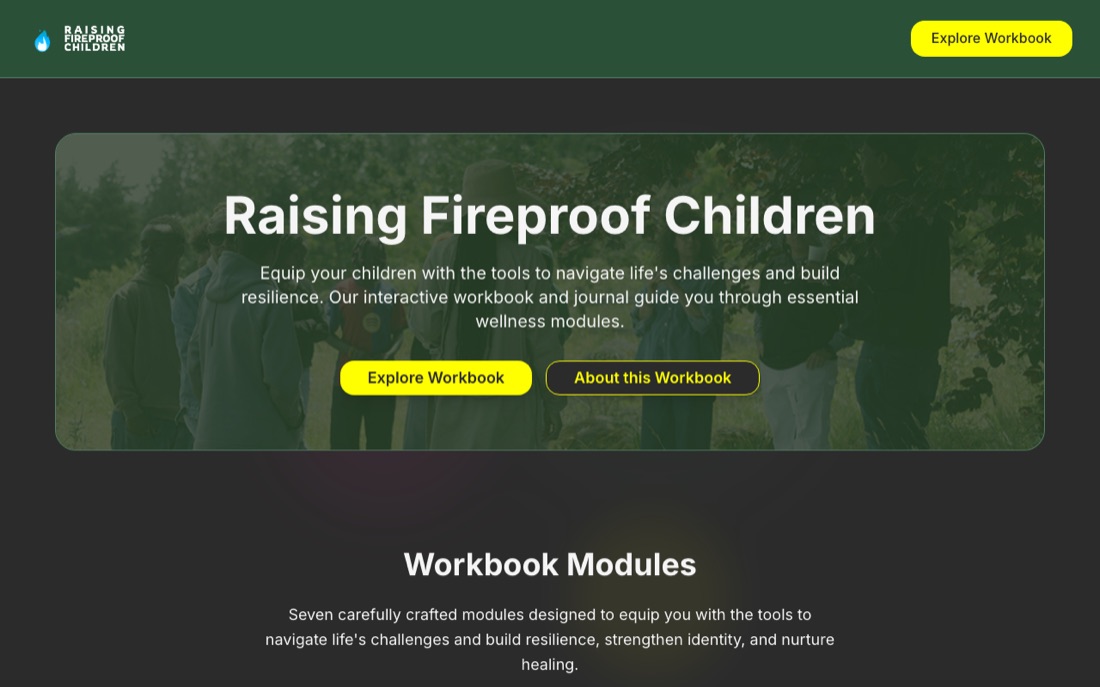
A healing and resilience toolkit for young people and the adults who raise them, drawn from a fellowship of Black educators, healers, and youth advocates in Oregon. I turned seven printable workshop modules into an interactive toolkit at fireproofchildren.org: a cosmos-themed reflection game, a map-based journey through the history of Maroon communities, a guided journal, an ancestral altar guide, and a somatic mixtape. In 2026 I refreshed it with a youth-first identity. There are no accounts, and game progress is not saved. Demonstrates turning a research-grounded curriculum into experiences young people can enter on their own terms.

Example 03

Sacramento CORE

City of Sacramento · 2021 – 2024

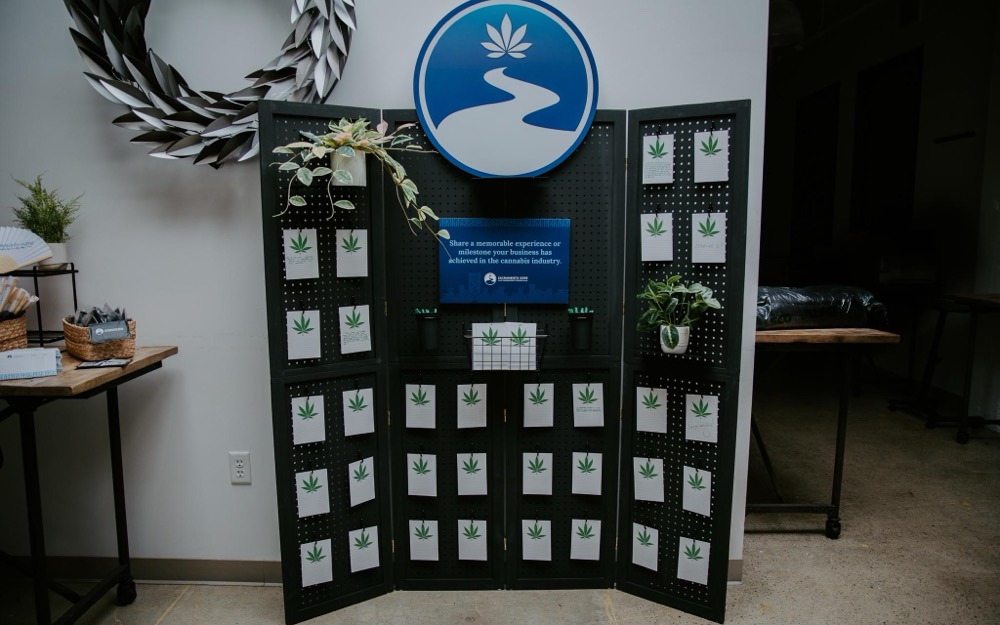
A three-year campaign I led for the city's Cannabis Opportunity Reinvestment and Equity program, which supports people and communities harmed by the disparate enforcement of cannabis laws. It began with an identity and a style guide that partners and vendors could carry. Because cannabis advertising is restricted, the campaign took its message to the street through ambassadors, a street team, and flyers at 75 local businesses. Its ENCORE events grew from mixers into a three-part workshop series because participants asked for it, averaging more than 85 attendees, with a reflection wall that gathered more than 500 pieces of feedback. Demonstrates messaging built to travel through a community, and a program that changed shape in response to the people it served.

Walkthrough video · 5 to 10 minutes Loom: [link]  ·  Work samples: Appendix A1 to A3
05Team

One person.
The whole way.

Johnny Neang

Independent consultant · Engagement lead

More than 15 years in communications strategy, marketing, and storytelling, with a long practice of putting AI to work inside creative workflows. I am also managing partner of UpperCloud, the Sacramento studio where the work in section 04 was made, but this proposal is mine alone: I would contract with Rithm directly and deliver the engagement personally, start to finish. I run the steering group, conduct the interviews with young people and network members, write the narrative and strategy briefs, and design and produce the pilots with the youth creators and network members who co-create them. One point of contact, and no handoffs between a pitch team and a delivery team.

06Proposed Timeline
MonthPhaseMilestone
Nov 2026Finalist sessionAvailable for the finalist conversation and working session
Dec 2026OnboardingOne or two onboarding sessions, at no charge; confirm whether a Rithm summit falls in the window
Jan 2027DistillInterviews complete; synthesis underway
Feb 2027Distill → DecideNarrative brief tested with network members, then approved (gate 01, mid February); audience strategy drafted
Mar 2027DecideAudience and creative strategy approved (gate 02); pilots scoped and in production
Apr 2027TestPilots launch as version 0.1 (two, or three if chosen at gate 02)
May 2027TestSecond feedback round ships version 0.2; learning memos reviewed at month end (gate 03); fellowship year ends
Jun 2027EquipPartnership model, roadmap, playbook, and handoff (gate 04)
07Budget
Proposed project fee$121,000
PhaseWhenDaysAmount
DistillJanuary – mid February 202726$36,000
Decidemid February – March 202721$29,000
Test, two pilotsApril – May 202725$34,000
EquipJune 202716$22,000
Total, fixed fee88$121,000
Option: third pilotApril – May 2027, decided at gate 0212$17,000

Assumptions behind the pricing.

08References

People who have
seen the work.

Name and emailOrganization and roleCan speak to
Dr. Tiffani Marie
[email]
San José State University, Assistant Professor of Teacher Education; co-lead, Life-Sustaining Practices FellowshipRaising Fireproof Children (example 02)
Dr. Jeff Duncan‑Andrade
[email]
San Francisco State University, Professor of Latina/Latino Studies and Race and Resistance Studies; co-founder, Community Responsive EducationMy storytelling and youth-facing work with Community Responsive Education
Glenda Macatangay
[email]
Youth Wellness Movement, Co-founder and Executive Director; co-founder, Community Responsive EducationThe Youth Wellness Index (example 01), as the client. She is also my partner at UpperCloud.
AAppendix · Work samples

The work, in pictures.

A1Work sample

Youth Wellness Index.

ClientCommunity Responsive Education Years2020 – present My roleLed design, build, and AI integration
The facilitator dashboard beside the AI reporting pipeline: survey, survey data, report platform, Claude API, PDF report

The facilitator dashboard, and the reporting pipeline with Claude as the analysis engine.

The opportunity

The Youth Wellness Movement imagines schools where the wellness of students, teachers, administrators, and families is connected and resourced. At its center is the Youth Wellness Index, a validated survey that tells educators how students are doing and points them to resources and training. The data was rich, but every new question meant a new manual analysis, so reports reached decision makers slowly.

My role

I have led the Index's digital side with Community Responsive Education since 2020: the instant, kid-friendly profile each student sees after the survey, the facilitator dashboard, and the AI analysis platform that replaced manual reporting.

My approach

The first dashboard ran on Looker Studio. For the rebuild, my team used AI at each stage: Google's Stitch for visual design that matches the movement's site, Replit for development and deployment with data held on Amazon Web Services, ChatGPT for prompt research, and Claude, through its API, as the analysis engine. Privacy set the limits first. The analysis reads aggregate responses by demographic group, never individual students, and drafts a report for a person to review.

The outcome

The Index is in use at schools around the country, paired with professional development and repeated over time to track a group's wellness. The AI rebuild took about 70 percent less time and half the staff of a conventional build, so facilitators spend their time on programs instead of reports.

A2Work sample

Raising Fireproof Children.

ClientLife-Sustaining Practices Fellowship Years2025 – 2026 My roleDesign and build
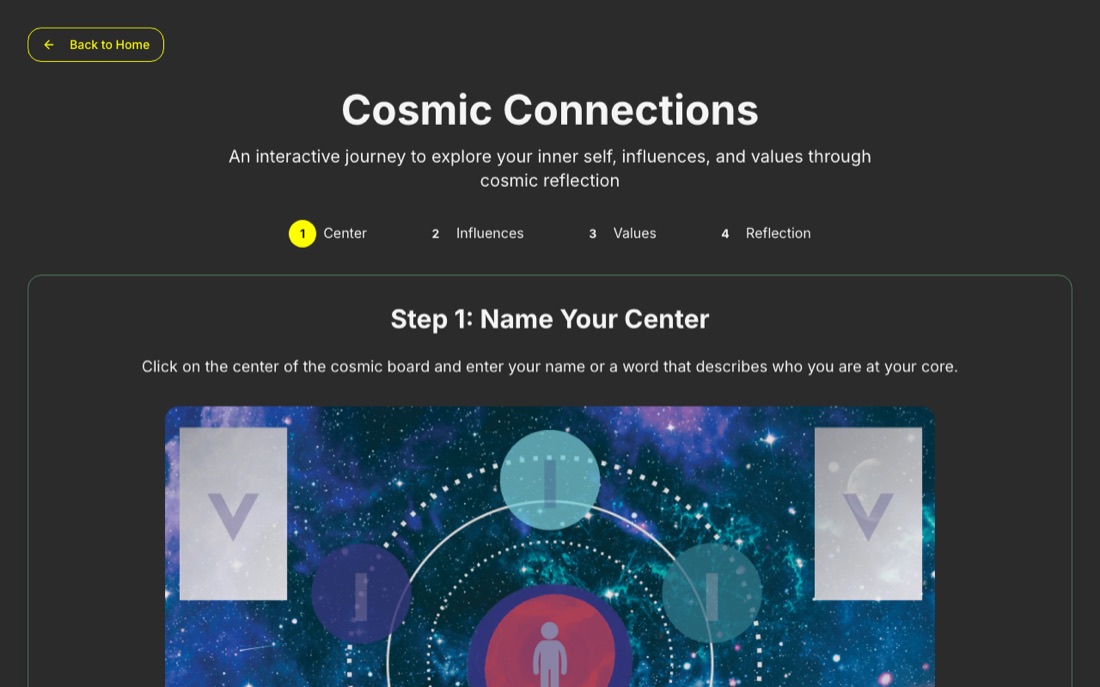
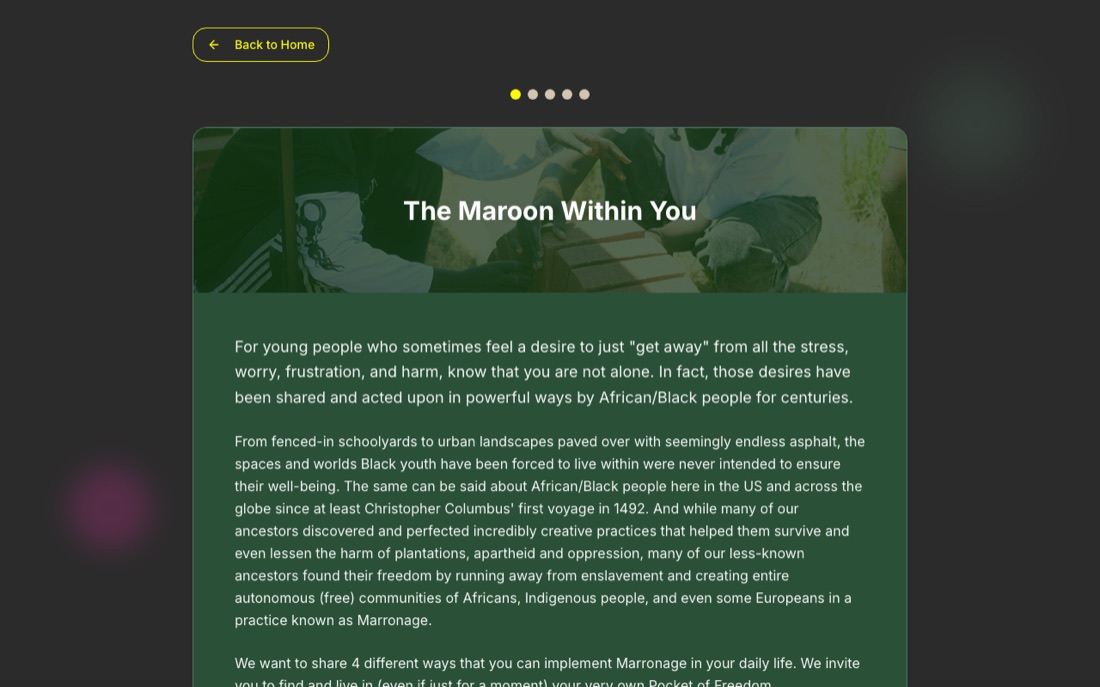
Raising Fireproof Children home pageThe Cosmic Reflections game, titled Cosmic Connections on screenThe Maroon Within You module

fireproofchildren.org: the home page, the Cosmic Reflections game (titled Cosmic Connections on screen), and The Maroon Within You.

The opportunity

Black-identified educators, healers, and youth advocates from across Oregon came together in the Life-Sustaining Practices Fellowship, a pilot led by Dr. Kenjus Watson, Dr. Tiffani Marie, and Dr. Shante Stuart-McQueen. The fellowship asked what it means to protect Black children in a world designed to harm them, and its answers took shape as seven workshop modules.

My role

I designed and built the toolkit at fireproofchildren.org, from the first version in May 2025 to a youth-first redesign in June 2026.

My approach

The modules began as printable kits. I turned them into experiences a young person can enter alone or with a facilitator: Cosmic Reflections, an interactive board game for reflecting on influences and values; The Maroon Within You, a journey through the history of Maroon communities and their pockets of freedom; the Rooted in Me journal; an ancestral altar guide; and a somatic mixtape that youth at Camp Quilombo developed. There are no accounts, and game progress is not saved.

The outcome

The fellowship's practices now live as a public toolkit that young people, families, and facilitators can use without signing up, with downloadable facilitator resources for group sessions.

A3Work sample

Sacramento CORE.

ClientCity of Sacramento Years2021 – 2024 My roleCampaign lead
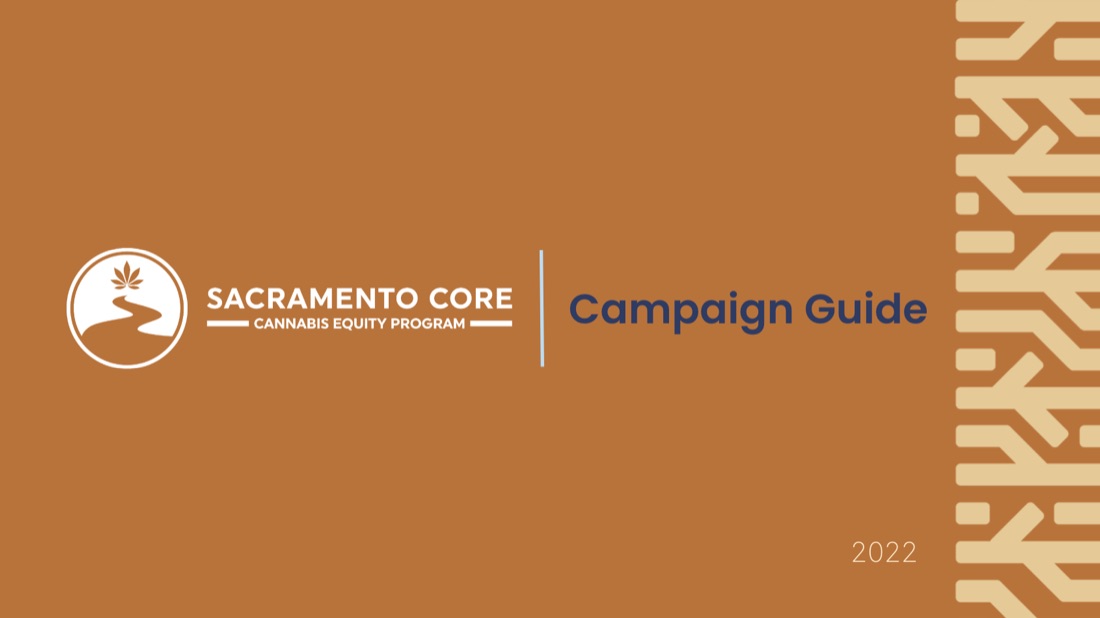
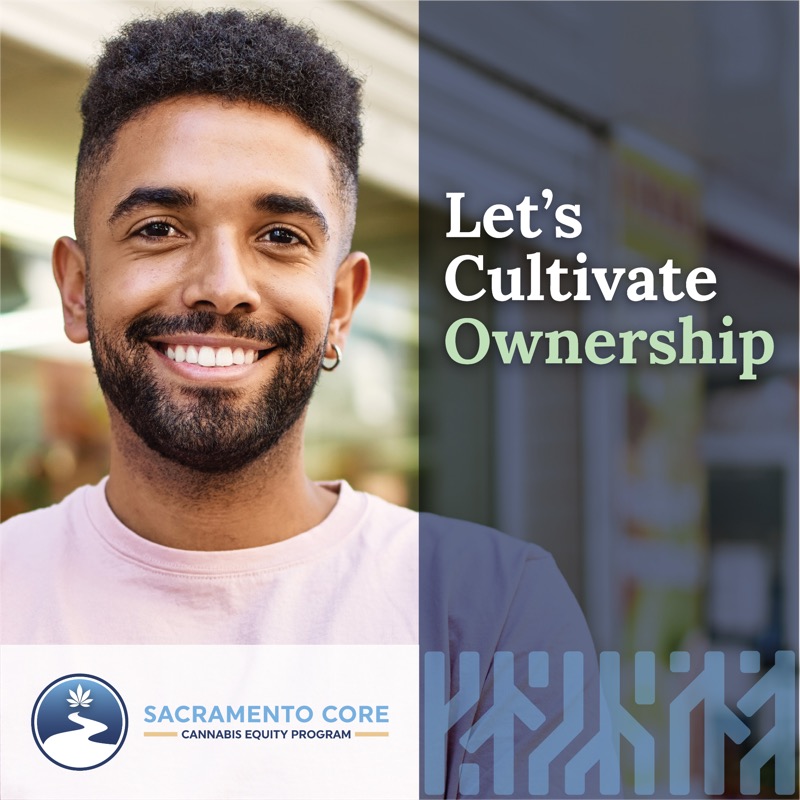
Sacramento CORE campaign guide coverCampaign ad: Let's Cultivate OwnershipThe ENCORE reflection wall

The campaign guide, a campaign ad, and the reflection wall at an ENCORE workshop.

The opportunity

Sacramento's Cannabis Opportunity Reinvestment and Equity program supports people and communities harmed by the disparate enforcement of cannabis laws, with training, technical assistance, and funding for new businesses. It needed more participants from underrepresented communities, more consumers choosing equity businesses, and a public that saw cannabis as a legitimate small-business industry.

My role

I led a three-year campaign that took CORE from an initiative to a brand and a community.

My approach

Each phase ran about a year. First came identity: the logo, a style guide partners and vendors could use, a microsite, social channels, templates, and member highlight videos. Then public awareness through advertising, social media, and events. Then grassroots work, because cannabis advertising is restricted: ambassadors, a street team, sponsorships, and partnerships. The ENCORE events began as networking mixers and, at participants' request, became a three-part workshop series on starting an idea, building a brand, and getting funded, with a reflection wall where participants left their feedback.

The outcome

6ENCORE events
3Community tabling events
6Ambassadors onboarded
85+Average attendees per event
500+Pieces of reflective and actionable feedback
75Sacramento businesses flyered
4,000+Postcards, pamphlets, and flyers
3Years, one phase each
Let's build it alongside you.

This page mirrors my PDF submission to The Rithm Project's RFP. The PDF is the formal response.